ポートゴムフェンダー 高性能 アンチエイジング 耐腐蝕型 不変型
記述
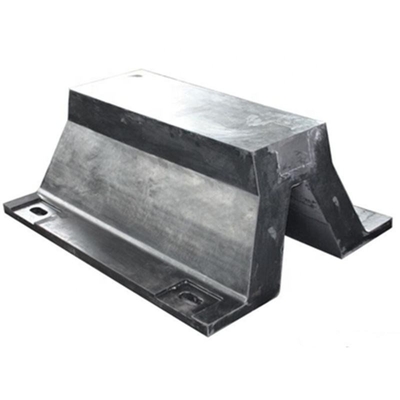
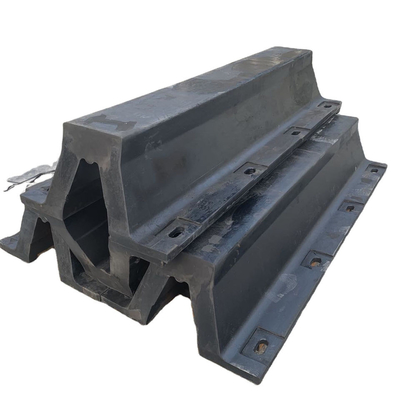
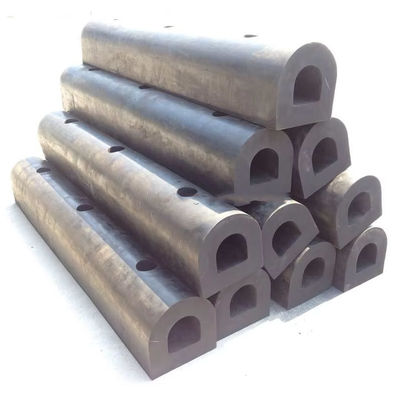
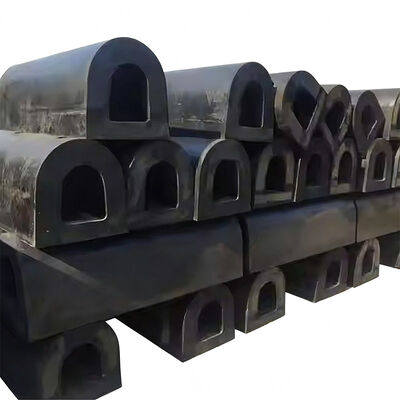
D Type Fenders serve as dependable protective systems in shipbuilding and dry dock environments where controlled contact and structural safeguarding are essential during vessel construction and maintenance phases.
高弾性ゴムと強化された密度制御で製造され,これらのフェンダーは,船体調整,装配作業,狭いドック空間での操縦.
ケーススタディ 大型船舶のドライドック保護
85,000隻の重量重量貨物輸送船を建造する造船所は,ドライドック室内には耐久性のある側面保護が必要でした.ドックの壁に沿って400mmのD型フェンダーを設置した後,位置付け時の船体コーティングダメージは著しく減少しましたメンテナンスのチームは,運用の安全性が向上し,塗装の必要性が最小限に抑えられ,船舶周期ごとに測定可能な時間節約をもたらしました.
仕様
| 製品名 |
D型フェンダー |
| ブランド名 |
香港海軍 |
| 材料 |
高性能天然ゴム |
| 色 |
ブラックと顧客の要求 |
| タイプ |
固定型Dゴムフェンダー |
| スタンダード |
HGT2866-2016,PIANC2002 について |
| エネルギー吸収 |
147kNから920kN |
| 反応力 |
5.1KN-Mから64KN-M |
| 適用する |
港,ドック,クエーなど |
| A について |
B について |
C について |
D |
E について |
F について |
H |
K |
| [ミリ] |
[ミリ] |
[ミリ] |
[ミリ] |
[ミリ] |
[ミリ] |
[ミリ] |
[ミリ] |
| 70 |
30 |
15 |
30 |
45 |
80 |
90 - 130 |
200〜300 |
| 100 |
45 |
15 |
30 |
50 |
100 |
90 - 130 |
200〜300 |
| 125 |
60 |
20 |
40 |
60 |
125 |
110 - 150 |
250 - 300 |
| 150 |
75 |
20 |
40 |
75 |
150 |
110 - 150 |
250 - 300 |
| 150 |
80 |
25 |
50 |
100 |
200 |
130 - 180 |
300 - 400 |
| 200 |
100 |
25 |
50 |
100 |
200 |
130 - 180 |
300 - 400 |
| 200 |
100 |
30 |
60 |
125 |
250 |
140 - 200 |
350 - 450 |
| 250 |
125 |
30 |
60 |
125 |
250 |
140 - 200 |
350 - 450 |
| 300 |
150 |
30 |
60 |
150 |
300 |
140 - 200 |
350 - 450 |
| 350 |
175 |
35 |
75 |
175 |
350 |
140 - 200 |
350 - 450 |
| 380 |
190 |
35 |
75 |
190 |
380 |
140 - 200 |
350 - 450 |
| 300 |
150 |
35 |
75 |
175 |
400 |
140 - 200 |
350 - 450 |
| 400 |
200 |
35 |
75 |
200 |
400 |
140 - 200 |
350 - 450 |
| 500 |
250 |
45 |
90 |
250 |
500 |
160 - 230 |
400から500 |
| *注:他のサイズは,要求に応じてカスタマイズできます. |
| A について |
B について |
C について |
D |
E について |
F について |
G |
H |
K |
| [ミリ] |
[ミリ] |
[ミリ] |
[ミリ] |
[ミリ] |
[ミリ] |
[ミリ] |
[ミリ] |
[ミリ] |
| 100 |
25 |
10 |
30 |
15 |
100 |
50 |
90 - 130 |
200〜300 |
| 150 |
30 |
12 |
65 |
20 |
150 |
75 |
110 - 150 |
250 - 350 |
| 200 |
45 |
15 |
75 |
25 |
200 |
100 |
130 - 180 |
300 - 400 |
| 250 |
50 |
20 |
100 |
30 |
250 |
125 |
140 - 200 |
350 - 450 |
| 300 |
60 |
25 |
125 |
30 |
300 |
150 |
140 - 200 |
350 - 450 |
| 350 |
70 |
25 |
150 |
35 |
350 |
175 |
140 - 200 |
350 - 450 |
| 400 |
80 |
30 |
175 |
35 |
400 |
200 |
140 - 200 |
350 - 450 |
| 400 |
80 |
30 |
200 |
35 |
400 |
200 |
140 - 200 |
350 - 450 |
| 500 |
100 |
30 |
250 |
35 |
500 |
250 |
140 - 200 |
350 - 450 |
特徴
低速操縦における高弾性回復
造船所およびドライドックでの動作では,船舶の動きは通常,制御された但し継続的な低速度で起こります.D型フェンダーの幾何学は,これらの条件下で段階的な圧縮が可能になります.調整を不安定化させるような過剰な反発力を発生させずに十分な緩衝を供給するゴムの分子交差構造は,各圧縮サイクル後に迅速な弾性回復を保証し,累積的な変形を防止し,時間とともに一貫した性能を維持します.
優れた 撕裂 耐久性
船舶の並べ替え中に,横の摩擦はしばしばフェンダー表面に沿って発生します.ホングラントン・マリンは,表面の裂け目や縁の破裂を防ぐために,より強い耐磨性と高張力を持つガム化合物を利用しています実験室での磨きシミュレーションでは,鋼の船体覆面,アンカーチェーン,またはドッキング機器との長期間の機械的な接触の後でさえ,材料が構造的整合性を保持することを確認します.
持続する負荷下での次元安定性
ドライドック作業では,時折船体とドック壁の間の静的接触が長続きする.D型フェンダーの内部密度と化合物の組成は,延長圧縮期間中にスリップ変形を最小限に抑えるこの方法により,フェンダーは元の幾何学を維持し,平ら化や硬化なしに均等な負荷分布を継続します.
構造安全のために最適化されたマウントインターフェース
平らな裏面により,鉄筋コンクリートや鉄鋼のドック壁にしっかりとボルトを付けることができます.設置ストレスを軽減し,不均等な圧縮を防ぐために,前もって掘削された設置穴は正確に並べられていますステンレス鋼の洗面板や支柱板は高負荷装置の構造的信頼性を向上させる.
申請
乾いたドック室
D型フェンダーは,建造や保守のために船が配置されている部屋の壁に沿って広く設置されています.彼らは船体移転中に構造損傷を防止し,延長修理期間中に安定した保護接触を提供します.
造船 装具 プラットフォーム
最終装備段階では,船舶はしばしば設備の設置のために再配置されます.フェンダーシステムは,船体コーティングとドックインフラストラクチャの両方を意図せざる衝撃から保護します.
船舶の整備及び改装施設
船舶の構造強化や再塗装が行われる修理所で,D型フェンダーは重要な船体表面を保護し,再作業コストを削減し,全体的な効率を向上させます.
香港海上船団を選んだ理由
造船所のエンジニアリング環境における専門経験
港湾海軍は 船舶建設と整備施設の 操作的複雑さを理解していますフレンドの最適化仕様を推奨するこれは,造船所のワークフローと運用上の制約との正確な互換性を保証します.
高級 ゴム 複合 技術
私たちのゴム製剤は 硬さ,拉伸強度,伸縮性をバランスさせる 制御された vulkanisation プロセスによって開発されています生産の各バッチは,厳格な品質テストを受けます張力ストレスの分析,断裂時の伸縮測定,硬さの検証,加速老化シミュレーションを含む.この科学的なアプローチは,大規模装置の機械性能を一貫して保証します..
精密製造と品質保証
ドライドックでの用途では 寸法精度が不可欠です 生産ラインでは 適切なアライナメントと 簡単に設置を保証するために 厳格な許容度を保っています輸送前に均質な密度と構造的整合性を確認する包括的な検査手順.
長期的技術支援とプロジェクト協力
詳細な設置図や 組み立ての推奨事項, 必要に応じて現場での相談をします. 販売後サポートは, 交換部品,技術文書,製品ライフサイクルを通して簡単に利用できます.
よくある質問
1D型フェンダーは,ドライドックで連続的な静的接触に適していますか?
そう,長時間圧縮状態でも 寸法安定と弾性を維持するように設計されています.
2低速操作では硬さを調整できますか?
そう,ショアAの硬さは 弾圧性能を最適化するために 調整できます
3装着用ハードウェアは?
耐腐食のアンカーボルトと強化された支柱板は重用装置に推奨されます.
4検査はどのくらいの頻度で?
年間検査は,極端な運用ストレスにさらされない限り,通常十分です.
5損傷した部分は個別に交換できますか?
そう,モジュール式装置では システム全体を取り外さずに 選択的に交換できます



 メッセージは20〜3,000文字にする必要があります。